
Most people assume glass skin is either genetic luck or the result of a 15-step product routine.
The truth is, how to get glass skin without makeup naturally comes down to something far more achievable: consistent daily habits that build real hydration, a healthy skin barrier, and smooth texture over time.
The concept originates from Korean beauty culture, where skin health has always come before coverage. The result is skin that reflects light softly and evenly, not oily, not poreless, just genuinely healthy.
This guide covers what glass skin actually is, what builds it naturally, and what most people get wrong along the way.
Glass Skin vs Oily Skin: Understanding the Difference
Glass skin and oily skin are not the same thing. Oily skin is caused by excess sebum and tends to produce shine in specific zones, particularly the T-zone.
Glass skin is the result of deep hydration, intact barrier function, and smooth surface texture that reflects light without grease.
The global glass skin cosmetics market is projected to grow from USD 15.4 billion in 2025 to USD 42 billion by 2035. Consumer interest has clearly shifted toward this long-term, skin-health approach to radiance.
| Glass Skin | Oily Skin |
| Deep hydration, even glow | Excess sebum, greasy appearance |
| Smooth, even light reflection | Concentrated shine, often T-zone |
| Strong barrier function | Can coexist with dehydration |
| Balanced and consistent tone | Prone to congestion and breakouts |
For those who want to experience this approach as a professional treatment, our guide on what is a Korean glass skin facial explains exactly what the clinical version looks like and who benefits most.
Why Glass Skin Looks Different on Every Person
Age, genetics, skin type, and environment all shape what your version of glass skin looks like. A person with dry skin and someone with oily skin will reach it through completely different routes.
The goal is healthier skin for your skin, not a replicated result from a routine designed for someone else’s biology entirely.
How to Get Glass Skin Without Makeup Naturally
The biggest mistake when trying to get glass skin without makeup naturally is focusing on products before addressing skin health fundamentals. Radiant, healthy skin is built on five consistent habits, not an extensive product shelf.
| Pillar | Why It Matters |
| Cleansing | Removes buildup without weakening the barrier |
| Exfoliation | Improves texture and supports cell turnover |
| Hydration | Creates plumpness and glow from within |
| Moisturising | Seals water into the skin layers |
| Sun protection | Prevents UV-driven dullness and premature ageing |
Cleanse Without Stripping Your Skin
Harsh cleansers strip the skin’s natural lipid layer, increasing transepidermal water loss and leaving the barrier sensitised and reactive.
A gentle, pH-balanced cleanser used consistently does more for long-term skin health than anything aggressive.
If skin feels tight after cleansing, the cleanser is too harsh. That tightness is barrier damage, not cleanliness.
Exfoliate for Smoothness, Not Perfection
Exfoliation removes dead skin cell buildup that causes dullness and uneven texture. The issue is that social media has normalised daily exfoliation, which clinically crosses into barrier damage territory.
Industry data now tracks what analysts have termed “over-exfoliation syndrome,” caused by excessive daily use of acids and active ingredients beyond what most skin can actually tolerate.
For most skin types, 1 to 2 sessions per week using a gentle acid such as lactic acid or a PHA is sufficient. PHAs cause significantly less irritation than standard AHAs and are far better tolerated by reactive skin.
If persistent dullness is your main concern, our guide on what chemical peel is best for dull tired looking skin covers the professional options that address deeper surface concerns beyond what at-home exfoliation can reach.
Focus on Hydration First
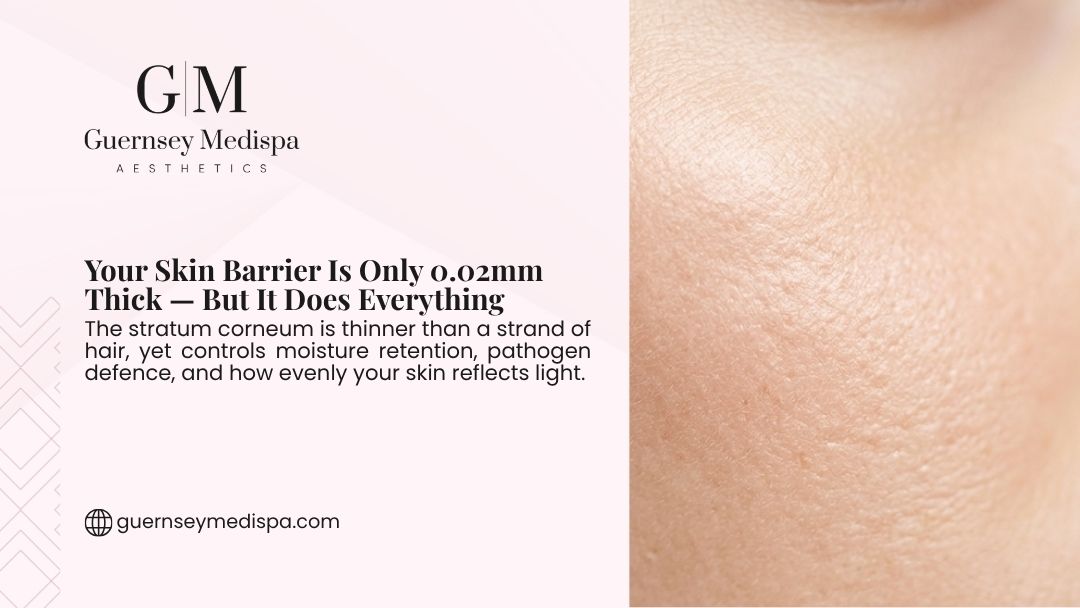
Hyaluronic acid holds up to 1,000 times its own mass in water, drawing moisture into the epidermis and directly improving skin plumpness and radiance.
A 12-week, randomised, double-blind trial of 60 women aged 35 to 65 found that daily hyaluronic acid supplementation significantly improved skin brightness, smoothness, and wrinkles compared to placebo.
Hydration is about water content inside the skin. Moisturising is about keeping it there. Both steps are necessary, and neither replaces the other. When creams and serums stop making a visible difference, our clinic guide on which injectable suits dehydrated skin compares polynucleotides with HA treatments.
Lock Moisture Into the Skin
Ceramides and niacinamide are the two most clinically supported ingredients for barrier repair. A 2025 real-world study found that ceramide-containing creams improved skin redness in 68.8% of participants.
A 2026 literature review analysing 64 studies confirmed that topical niacinamide improves barrier function through ceramide synthesis while also reducing uneven skin tone.
These are not trend ingredients. The evidence is consistent and peer-reviewed.
Never Skip Daily Sun Protection
According to the Skin Cancer Foundation, UV exposure causes up to 90% of visible skin ageing. A May 2025 American Academy of Dermatology survey of more than 1,000 adults found that only 56% use sunscreen regularly, and just 20% apply it on cloudy days.
For glass skin specifically, daily SPF prevents the pigmentation, dullness, and texture loss that accumulate silently over years and cannot be reversed by any skincare routine once the damage is set.
The Best Natural Habits That Support Glass Skin
These are the mistakes that make getting glass skin without makeup naturally harder than it needs to be, and the habits that actually build it from beneath the surface.
| Habit | Effect on Skin |
| Quality sleep | Collagen synthesis, barrier repair overnight |
| Adequate hydration | Improved plumpness and elasticity |
| Stress management | Reduces cortisol-driven inflammation |
| Nutrient-rich diet | Supports skin structure and natural radiance |
| Regular exercise | Improves circulation and oxygen delivery |
Sleep and Overnight Skin Recovery
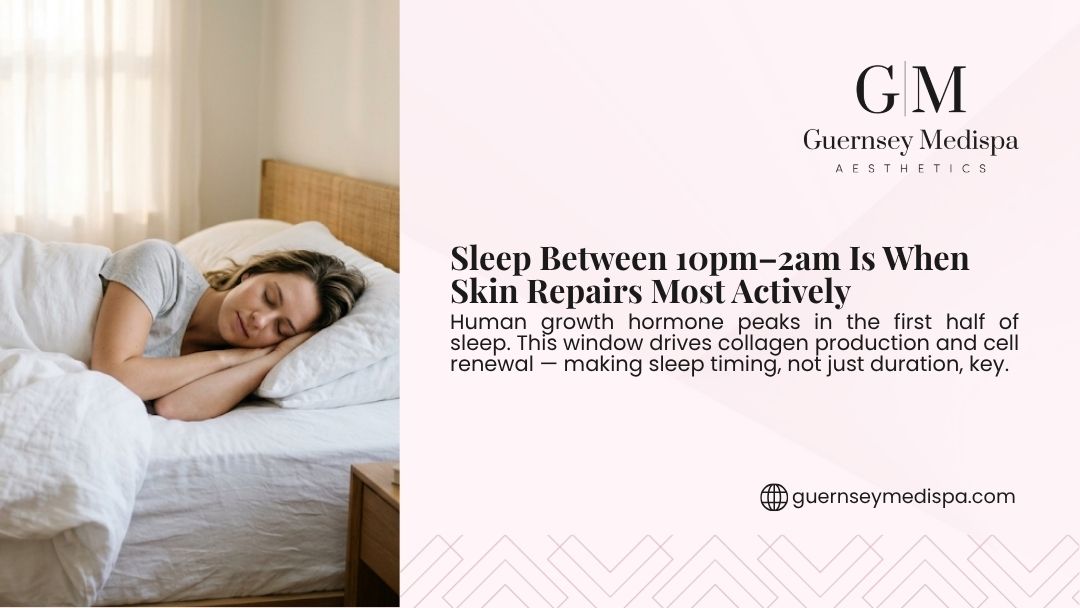
Skin does not rest when you sleep. It repairs. A peer-reviewed review found that even a single night of sleep deprivation compromises barrier stability by impairing collagen production, growth factor release, and cellular repair.
After sleep restriction of just 25 to 50% of a typical 8-hour cycle, inflammatory markers including IL-6 and TNF-alpha are measurably elevated, and transepidermal water loss increases.
Poor sleep shows on the face before anything else. This is a physiological response, not a cosmetic one, which is why a targeted skincare routine featuring products like Alpha Quinone Serum can help support a brighter, more even-looking complexion alongside healthy lifestyle habits.
The same picture applies to chronic stress — when cortisol stays elevated for months, the skin barrier suffers in similar ways, which is why some people see real progress only after working with a holistic health coach who addresses the stress response at its source rather than treating only its visible effects.
Hydration From the Inside Out
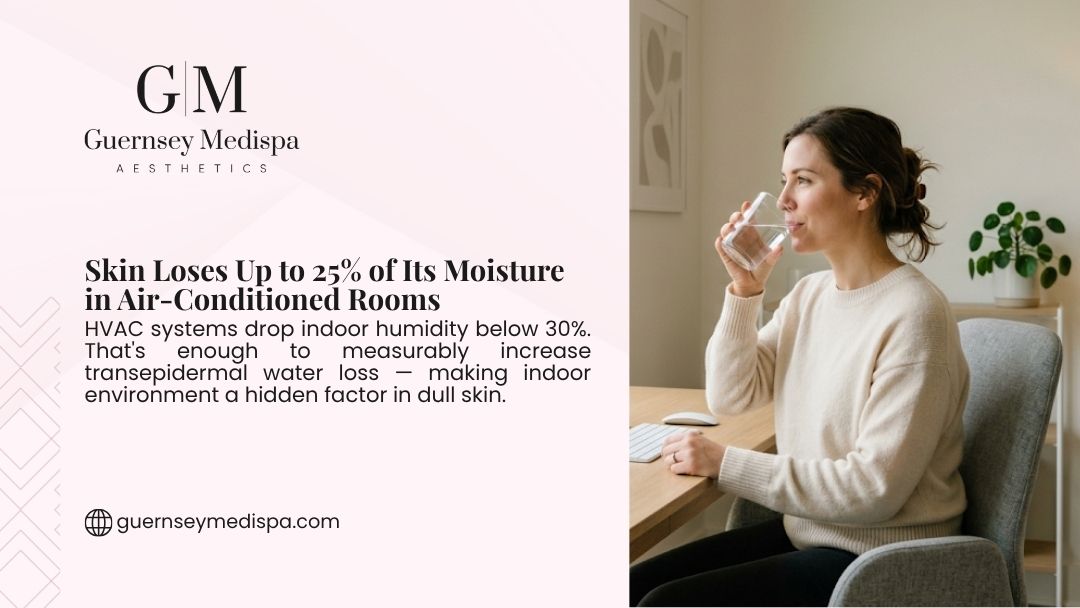
Drinking enough water supports skin plumpness but it is not a cure-all. Skin hydration is influenced by barrier function, diet, and environment as much as water intake. Adequate hydration works alongside other habits, not as a replacement for them.
Nutrition and Skin Appearance
Research published in 2025 found that consistent dietary changes produce visible effects on skin structure and appearance within 4 to 6 weeks.
Foods rich in omega-3 fatty acids, including salmon, mackerel, flax, and chia seeds, are specifically linked to improved barrier function and reduced transepidermal water loss.
A diet high in antioxidants and low in refined sugars supports clearer, more even skin over time.
Common Mistakes That Stop You From Getting Glass Skin
| Mistake | Better Approach |
| Over-exfoliating daily | Gentle exfoliation 1 to 2 times per week |
| Layering too many actives | Simplified, barrier-first routine |
| Skipping SPF | Daily broad-spectrum protection |
| Expecting fast results | Consistent habits over 6 to 8 weeks |
| Harsh or stripping cleansers | Gentle, pH-balanced formulas |
Using Too Many Products at Once
A 2025 study found that 34% of shoppers purchased a viral skincare product in the past year, up from 17% in 2024.
That same year, the American Contact Dermatitis Society found that 44% of patients with facial dermatitis were reacting to preservatives or fragrance compounds across multiple overlapping products.
A simpler, consistent routine almost always outperforms a complicated one. Layering multiple actives does not speed up results. It destabilises the barrier and can trigger the exact problems you are trying to fix.
For reactive or compromised skin, our guide on whether you can get a chemical peel if you have sensitive skin explains how a professional assessment helps identify the right path forward safely.
Confusing Dewy Skin With Greasy Skin
Dewy skin and oily skin are visually distinct. Dewy skin has a soft, even luminosity. Oily skin looks shiny in specific zones and feels heavy. The difference comes down to hydration balance and barrier health, not sebum production alone.
Signs your skin is dewy rather than oily:
- The glow is even across the face, not concentrated in patches
- Skin feels comfortable and lightweight throughout the day
- Pores appear smaller rather than enlarged
- The finish stays subtle rather than building as hours pass
Expecting Overnight Results
| Timeframe | What Typically Improves |
| 1 week | Hydration, early texture smoothing |
| 2 to 4 weeks | More even surface, less visible dullness |
| 4 to 8 weeks | Healthy radiance with consistent habits |
| 8+ weeks | Long-term skin quality improvement |
How to Adjust Your Glass Skin Routine for Your Skin Type
Getting glass skin without makeup naturally looks different depending on your skin type. The approach is not one-size-fits-all.
| Skin Type | Primary Focus |
| Dry | Rich hydration, ceramide-heavy moisturiser |
| Oily | Lightweight hydration, avoid over-cleansing |
| Combination | Targeted care by zone |
| Sensitive | Barrier support, minimal actives |
| Mature | Deep hydration, collagen-supporting ingredients |
For oily skin, over-stripping triggers more sebum production rather than reducing it. Lightweight hydration and gentle exfoliation produce far better results.
For mature skin, the focus shifts toward hydration alongside ingredients that support skin structure and improve texture, with realistic expectations about what improvement looks like at different life stages.
Can You Really Get Glass Skin Without Makeup Naturally?
Yes, for most skin types, the result is genuinely achievable. How to get glass skin without makeup naturally is a question of consistency, not complexity.
Meaningful improvements in hydration, texture, and radiance are possible for most people with the right daily habits and a realistic timeline.
Where at-home skincare reaches its limits, such as persistent pigmentation or sun damage, professional treatments complement a home routine effectively.
Frequently Asked Questions
How long does it take to get glass skin naturally?
Most people notice improved hydration and texture within 1 to 2 weeks. Visible radiance and a more even tone typically appear between 4 and 8 weeks. Consistent habits over 3 months produce the most reliable and lasting results.
Can oily skin achieve glass skin?
Yes, balanced oily skin is well suited to the glass skin approach because natural sebum contributes to glow when the skin is properly hydrated and not over-stripped. Lightweight hydration and avoiding harsh cleansing are the main adjustments needed.
Do I need a Korean skincare routine to get glass skin?
No, the concept originates from Korean beauty culture, but the core principles, hydration, barrier protection, and consistency, apply regardless of which products or routine format you follow.
Can I get glass skin if I have acne?
Yes, barrier repair, reduced irritation, and gentle hydration actively support clearer skin alongside targeted acne care. A professional consultation helps identify the right product combination for your skin specifically.
Is glass skin realistic for mature skin?
Yes, with realistic expectations. Mature skin responds well to a hydration-first approach and can achieve meaningful improvements in radiance and texture. The aim is not to replicate younger skin but to have healthy, well-supported skin at any age.
Book a Consultation at Guernsey Medi Spa
How to get glass skin without makeup naturally starts with understanding what your specific skin actually needs, not what a trend recommends.
At Guernsey Medi Spa, every consultation evaluates your skin type, barrier health, current condition, and goals before any recommendation is made.
With over 15 years of experience in medical aesthetics and more than 10,000 treatments delivered, our practitioners identify what your skin genuinely benefits from and what it is not yet ready for.
Book a consultation today and get a clear, honest skincare plan built entirely around your skin.
What to Take Away
How to get glass skin without makeup naturally is not about spending more or following longer routines.
It is about doing the right things consistently: cleanse gently, hydrate deeply, seal the barrier, protect against UV daily, support skin through sleep and diet, and give the process time.
Professional treatments fill the gaps where home care reaches its limits. The foundation is always the same.
