
If you’ve been researching sofwave vs ultherapy which is better for face lifting, you’ve likely found both described as FDA-cleared, ultrasound-based, and effective for lifting skin without surgery.
In this guide, you’ll find:
- A clear explanation of how Sofwave and Ultherapy work at a tissue level
- An honest breakdown of clinical results and patient satisfaction data
- A direct comparison of treatment comfort, duration, and recovery
- Guidance on which treatment fits which skin concern and patient profile
This article is written from over 15 years of aesthetic practice experience at Guernsey Medi Spa, working with clients across a wide range of skin concerns and treatment goals.
Sofwave vs Ultherapy for Face Lifting: The Core Differences
Sofwave uses SUPERB technology (Synchronous Ultrasound Parallel Beam) to deliver ultrasound energy to a precise depth of 1.5mm in the mid-dermis. This triggers collagen and elastin production without disrupting the skin surface.
Understanding how sofwave works for skin tightening helps with explaining the overall concept, as the treatment uses controlled heat beneath the skin to stimulate new collagen production and support firmer-looking skin over time.
Ultherapy uses micro-focused ultrasound with real-time visualisation (MFU-V). It targets three tissue depths simultaneously: 1.5mm, 3.0mm, and 4.5mm.
The deepest of these reaches the SMAS layer, the same foundational tissue that surgeons access during a surgical facelift.
| Feature | Sofwave | Ultherapy |
| Technology type | SUPERB parallel beam | Micro-focused ultrasound (MFU-V) |
| Treatment depth | 1.5mm | 1.5mm, 3.0mm, 4.5mm |
| Real-time imaging | No | Yes |
| SMAS layer targeting | No | Yes |
| FDA clearance | Yes | Yes |
Why Treatment Depth Defines the Results
Depth is the most clinically significant difference between these two treatments. It determines what kind of skin change is possible.
Sofwave at 1.5mm addresses the mid-dermis, where collagen is most actively produced. The thermal stimulus at this depth prompts fibroblasts to build new collagen and reorganise existing fibres.
The outcome is improved surface firmness, softer fine lines, and better skin texture.
Ultherapy at 4.5mm reaches tissue that topical treatments and surface-based devices cannot access. Clinical studies confirm a 42% increase in collagen Types I and III following Ultherapy, based on histological tissue analysis.
This depth is why Ultherapy is the stronger clinical option when structural facial lifting is the goal.
| Tissue Layer | Sofwave | Ultherapy |
| Epidermis (surface) | Protected by cooling system | Not targeted |
| Mid-dermis (1.5mm) | Primary treatment zone | Treated |
| Deep dermis (3.0mm) | Not reached | Treated |
| SMAS layer (4.5mm) | Not reached | Primary lifting target |
Sofwave vs Ultherapy: Which Is Better for Face Lifting According to Clinical Data?
Both treatments have robust clinical backing. The data presents a nuanced picture.
Sofwave clinical results:
- 72% of patients in multi-centre trials noted measurable improvement in wrinkle appearance, with no device-related adverse events reported
- 88% experienced improvement in facial wrinkles and necklines within 12 weeks of a single session
- Over 385,000 treatments have been performed globally to date
- Peak results visible at 12 weeks, with sustained tightening observed for up to 6 months
Ultherapy clinical results:
- Supported by 50+ clinical studies and over 3 million treatments performed across 80+ countries
- The FDA approval trial showed 86% of subjects had measurable brow lift at 90 days, with a mean eyebrow elevation of 1.7mm
- Research published in the Journal of Cosmetic Dermatology documented 95% patient satisfaction scores in clinical trials
- Satisfaction rates consistently exceed 75% at 3 months, rising above 80% at 6 months
The sofwave vs ultherapy which is better for face lifting question shifts depending on the area being treated and how significant the laxity is. Sofwave delivers strong results for surface firmness.
Ultherapy has a more developed clinical record for structural facial lifting.
Treatment Experience: Comfort, Duration, and Recovery
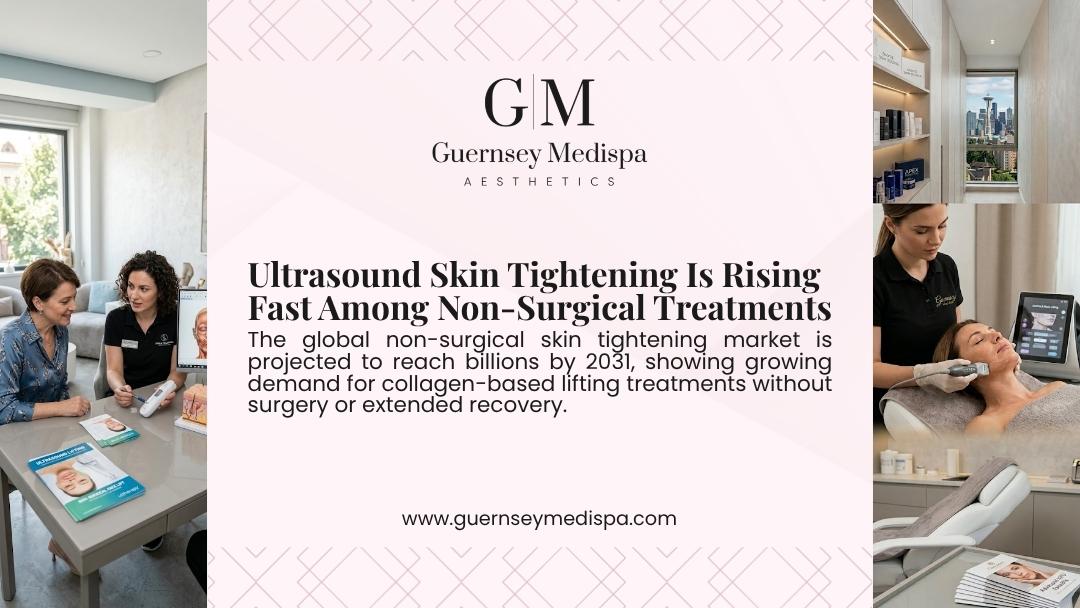
Patient comfort matters, and the two treatments differ noticeably in this area.
Sofwave distributes energy across the mid-dermis using its parallel beam system. Most clients describe the sensation as brief, warm pulses.
The integrated Sofcool cooling system protects the outer skin layer throughout. Typically, the sessions run between 30 to 45 minutes.
The current generation of the device, Ultherapy Prime, has significantly addressed the discomfort associated with the legacy version
Clinical data shows average pain scores with Ultherapy Prime are less than half those of the original system.
Because of the multi-depth tissue targeting, sessions run longer, typically 60 to 90 minutes.
| Experience Factor | Sofwave | Ultherapy Prime |
| Discomfort level | Low to moderate | Moderate (significantly reduced vs legacy) |
| Session length | 30 to 45 minutes | 60 to 90 minutes |
| Numbing cream | Often not required | Sometimes recommended |
| Downtime | Minimal, same day return | Minimal, mild effects for 1 to 2 days |
| Surface skin reaction | Mild redness, settles quickly | Possible redness and brief tingling |
Results Timeline and How Long They Last
Neither treatment produces overnight results. Both stimulate the body’s own collagen response, which builds over weeks to months. This is precisely what gives the improvement a natural appearance.
Sofwave results begin emerging within 2 to 4 weeks, with peak improvement at the 12-week mark. Most clients maintain results for 12 to 18 months. One session is typically sufficient, with annual maintenance recommended as needed.
Ultherapy results develop over 2 to 3 months, with continued improvement up to 6 months as collagen remodels deeper tissue layers. Results last 12 to 24 months depending on age, skin condition, and lifestyle.
The timeline follows a similar biological principle to how long microneedling takes to show results, where the outcome is governed by how long new collagen takes to build and mature.
| Results Factor | Sofwave | Ultherapy |
| First visible changes | 2 to 4 weeks | 4 to 8 weeks |
| Peak improvement | 12 weeks | 3 to 6 months |
| Duration of results | 12 to 18 months | 12 to 24 months |
| Sessions typically needed | One | One |
| Maintenance schedule | Annual | Annual |
Which Patients Each Treatment Suits Best
Sofwave tends to suit clients who:
- Have mild to moderate laxity in the cheeks, brow, or neck
- Want a comfortable session with minimal recovery time
- Are in their 30s to early 50s and focused on surface firmness and early laxity
- Want preventative collagen stimulation before signs of ageing become more pronounced
- Prefer a shorter treatment with results that develop gradually and look natural
Ultherapy tends to suit clients who:
- Have moderate to more advanced laxity along the jawline, under the chin, or on the neck
- Want structural lifting that targets deeper tissue layers
- Are comfortable with a longer session and the potential for moderate discomfort
- Are looking for results that approach what a surgical option would address, but without the recovery
| Skin Concern | Better Option |
| Surface firmness and fine lines | Sofwave |
| Jawline definition and jowl improvement | Ultherapy |
| Brow lifting | Both (Ultherapy has deeper lift data) |
| Neck tightening, mild to moderate | Both |
| Neck tightening, more pronounced laxity | Ultherapy |
| Skin texture alongside laxity | Consider combining with what RF microneedling does differently than regular microneedling |
| Low pain tolerance | Sofwave |
Is Sofwave Better Than Ultherapy? A Direct Answer
For surface skin quality and mild facial lifting, Sofwave is the more comfortable and often more practical choice. Its clinical results are solid, the session is efficient, and it fits well into a regular skin health routine.
For structural face lifting with deeper tissue reach, Ultherapy is the stronger clinical option. SMAS layer targeting sets it apart for clients with more pronounced jawline softening or neck laxity that surface-level treatments cannot adequately address.
The non-surgical skin tightening market reached $2.40 billion in 2026, with projected growth to $3.60 billion by 2031, driven by sustained demand for treatments that produce visible results without surgery.
The growth reflects how many people are now actively seeking out these options.
Three questions help clarify which treatment fits better:
- How significant is the laxity, and exactly where is it located?
- What level of discomfort is acceptable during the session?
- Is the primary goal surface skin improvement or deeper structural lifting?
A qualified aesthetic practitioner can work through all three during a skin consultation and give a clear recommendation.
Frequently Asked Questions
Is Sofwave or Ultherapy better for lifting the jawline?
Ultherapy tends to produce stronger jawline lifting because it reaches the SMAS layer at 4.5mm. Sofwave improves surface firmness around the jaw but does not access the same structural tissue depth.
How many sessions do you need for each treatment?
Both treatments are typically completed in one session. Results develop gradually over weeks to months as new collagen forms. Annual maintenance sessions are recommended to sustain the outcome.
Does Sofwave hurt less than Ultherapy?
Sofwave is generally the more comfortable option. Ultherapy Prime has improved significantly on the original device, with pain scores reported at less than half those of the legacy system. Individual tolerance varies.
Can either treatment be combined with other skin concerns?
Yes, for clients managing acne scarring alongside skin laxity, microneedling for acne scars on cheeks targets a separate skin layer and can be scheduled at a different time without conflicting with the ultrasound treatment.
How long do results last from each treatment?
Sofwave results typically last 12 to 18 months. Ultherapy results last between 12 and 24 months for suitable candidates. Individual outcomes depend on age, skin quality, and lifestyle.
Trusted Aesthetic Guidance at Guernsey Medi Spa
The sofwave vs ultherapy which is better for face lifting question does not have one answer that fits every patient. It depends on where the laxity is, how significant it is, and what the skin genuinely needs.
At Guernsey Medi Spa, every treatment recommendation starts with a thorough skin assessment and an honest conversation about what each technology can and cannot realistically deliver for your specific concerns.
With over 15 years of experience and more than 3,500 satisfied clients, our approach is built on clinical accuracy and realistic outcomes, not broad promises.
Book a consultation today and find out which ultrasound lifting option is the right step for your skin.
