
Most patients booking wrinkle-reducing injectables ask the same thing first: how long does Botox actually last and what affects it? In clinical practice the honest answer is three to four months for most people, with some fading sooner and others holding results for longer. Duration is not a fixed property of the product. It depends on the muscle treated, the dose used, your expression habits, and the condition of your skin.
How Long Does Botox Actually Last and What Affects It? The Short Answer
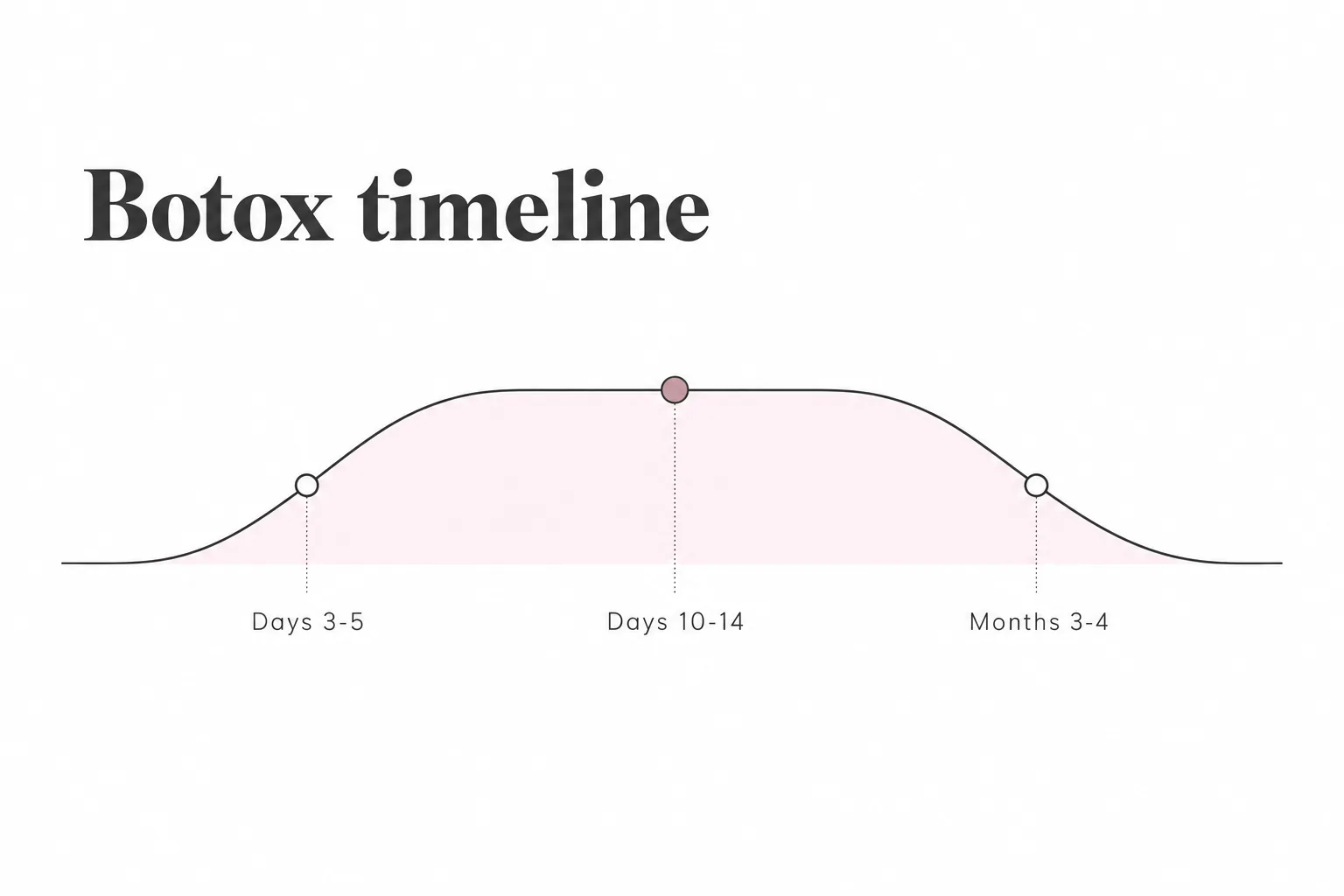
For facial expression lines, three to four months of visible smoothing is the standard expectation. A first-ever treatment sometimes fades slightly sooner, and duration often improves once you have had two or three sessions at sensible intervals.
The timeline usually looks like this:
- Days 3 to 5: movement starts to soften
- Days 10 to 14: the final result has settled
- Months 3 to 4: movement gradually returns
Wear-off is not a switch. Muscle activity creeps back over several weeks, so lines reappear on animation before they show at rest.
How Botox Works on the Muscle (and Why That Sets the Clock)
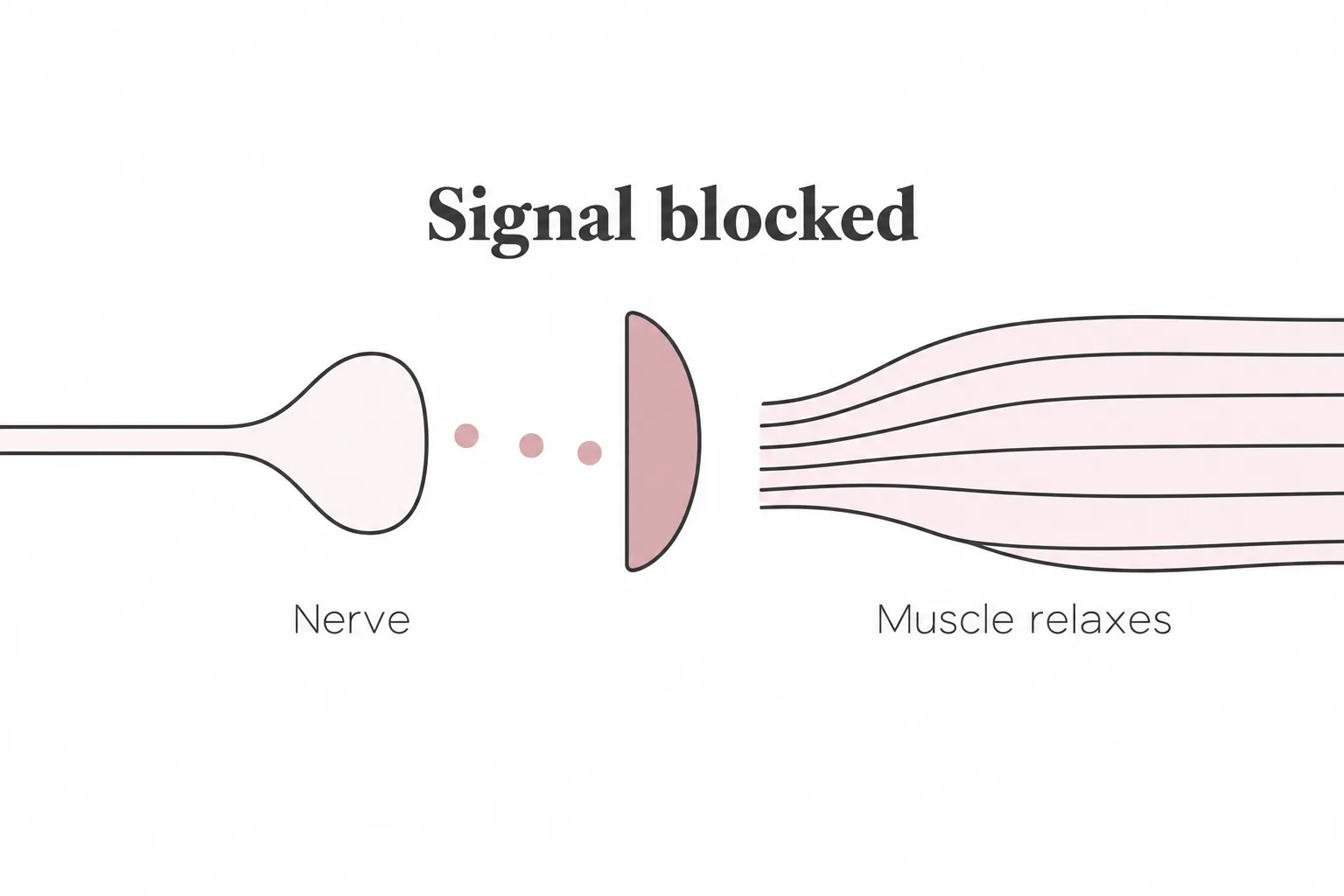
Botox is a purified form of botulinum toxin type A. Injected into a facial muscle, it blocks the release of acetylcholine at the neuromuscular junction, so the muscle receives a weaker signal to contract.
The block is temporary. Nerve signalling to the treated muscle recovers over the following months, movement returns, and the lines that muscle creates become visible again.
Nothing dissolves or drains away. Duration is governed by nerve recovery, which is why an identical dose can behave differently in two people with different muscle strength.
Botox Duration by Treatment Area
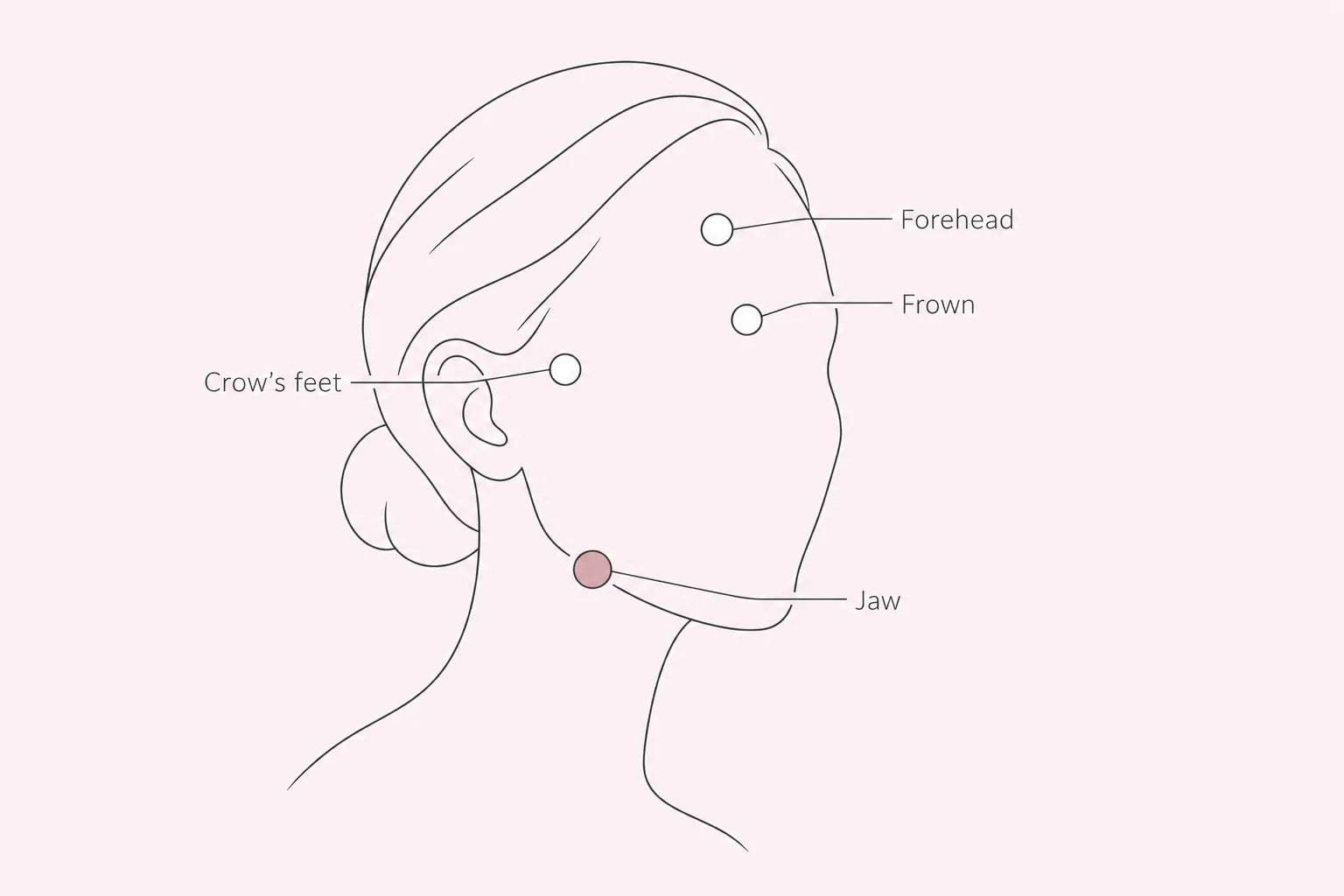
Different muscles do different amounts of work, and dosing differs accordingly.
| Treatment area | Typical duration in practice | Why it varies |
|---|---|---|
| Forehead lines | 3-4 months | The frontalis is in near-constant use for brow lifting and expression |
| Frown lines (glabella) | 3-4 months, sometimes longer | A strong muscle group that usually receives a higher dose |
| Crow’s feet and around the eyes | 3-4 months | Thin skin plus constant blinking and smiling |
| Bunny lines, lip flip, chin dimpling | Usually shorter than the upper face | Small muscles treated with small doses |
| Masseter (jaw slimming, clenching) | Often longer than upper-face treatment | A large, bulky muscle treated with a higher unit count |
Static lines that stay visible when your face is completely still are a skin issue as much as a muscle issue, and toxin alone will only soften them. If forehead lines are your main concern, our comparison of plasma pen treatment versus Botox for forehead lines explains how the two timelines differ.
What Makes Botox Wear Off Faster
Several factors reliably shorten results:
- Too few units for the muscle strength being treated
- Naturally strong or heavily used facial muscles, common in men and in very expressive faces
- Frequent intense exercise
- Smoking and heavy sun exposure, which degrade skin quality around the treated area
- High stress and constant frowning during screen work or concentration
- Repeated small top-ups without a proper treatment plan
Does a Fast Metabolism Really Shorten Results?
Patients often blame metabolism, and there is some support for the idea. A study of aesthetic botulinum toxin patients found that high levels of physical activity reduced the esthetic durability of the result.
Activity level and muscle strength are the practical drivers. If you train hard several times a week, plan for the shorter end of the range rather than expecting a poor result.
Underdosing Is the Most Common Fixable Cause
When someone tells us their treatment lasted six weeks, dosing is usually the reason. Unit count has to match muscle bulk and the outcome you want, not a flat per-area price.
An assessment of how your muscles actually move comes before any injection. Common questions about dosing, comfort and intervals are answered in our injectables and boosters FAQs.
What Helps Botox Last Longer
- Treat at consistent intervals instead of waiting until movement has fully returned
- Use an experienced medical injector who doses to your anatomy
- Wear SPF daily and follow a professional skincare routine to protect skin quality
- Manage stress and heavy frowning habits, especially at a desk
- Avoid saunas, hot yoga, intense exercise and face-down massage for 24 hours after treatment
- Support skin quality with rejuvenation treatments so lines look softer as the toxin fades
How Often Should You Have Botox?
Most patients settle into treatment every three to four months. Some stretch to five or six months once results have become established over a few cycles.
Three to four sessions a year is a normal maintenance pattern, not excessive. Treatment is not usually repeated more often than every three months, because shorter intervals add exposure without adding benefit.
Do Results Change After Years of Treatment?
Regularly treated muscles tend to weaken slightly, so long-term patients often need fewer units or find sessions hold a little longer.
Two things move in the other direction. Lines that had already formed before you started treatment may stay visible at rest, and skin laxity increases with age, so toxin alone does less in later years. That is when skin-focused treatments matter more than higher doses.
Reduced response from antibody formation is uncommon, and it is associated with frequent high-dose treatment rather than standard cosmetic use.
What Happens When You Stop Botox?
Muscle movement returns fully and your face resumes its natural ageing pattern. There is no rebound effect and no accelerated ageing.
Lines can seem more obvious for a few weeks, but that is contrast, not damage. You are comparing your natural expression against months of smoothing.
Signs Your Treatment Is Wearing Off
- Frown or brow movement returns first
- Lines show on movement before they are visible at rest
- The brow feels heavier or sits slightly lower
Booking a review as movement starts to return, rather than after it has returned completely, keeps results more even across the year.
Botox Versus Skin-Focused Treatments: Different Timelines
Related readingWhat Is a Plasma Pen Treatment & How Long Does It Last?Read the guide →| Treatment type | What it targets | How the timeline works |
|---|---|---|
| Wrinkle-reducing injectables | Muscle movement and dynamic lines | Settles in around two weeks, lasts 3-4 months |
| Dermal fillers | Volume, structure and facial balance | Immediate effect, longevity varies by product and area |
| Skin rejuvenation and collagen stimulation | Texture, tone and firmness | Builds gradually over weeks, maintained in courses |
Combined plans usually look more natural than toxin alone, because muscle relaxation and skin quality are handled separately.
Frequently asked questions
Does Botox ever fully leave your body?
How long does Botox last around the eyes?
How long does Botox last on the forehead?
Is having Botox three times a year too much?
How long does Botox actually last and what affects it most?
Key Takeaway
Three to four months is the realistic baseline. Dosing, muscle strength, lifestyle and skin health decide where you sit in that range, and consistent intervals with an accurate dose are what safely extend it. A personalised assessment at an aesthetic skin clinic in Guernsey will tell you far more about your likely duration than any general figure, and it is the sensible first step before booking Botox.
