
Choosing between HydroPeptide and ZO Skin Health comes down to two questions: how much irritation your skin can tolerate, and what you want to correct. Both are professional, medical-grade skincare lines. They take very different routes to healthier skin.
Below, we compare the science, key technologies, regimen intensity and who each line suits.
HydroPeptide vs ZO Skin Health at a Glance
HydroPeptide vs ZO Skin Health: The Quick Verdict
HydroPeptide is gentle, peptide-led anti-ageing skincare. ZO Skin Health is high-potency, structured correction.
| HydroPeptide | ZO Skin Health | |
|---|---|---|
| Core science | Peptide signalling, with an epigenetics-led philosophy | Active correction and “skin training” |
| Key technologies | Patented peptide complexes (Nimni Technology, CellRenew-16) | Retinoids, chemical and physical exfoliants, bioengineered growth factors |
| Regimen intensity | Gentle, layered | High-potency, three-step system |
| Flaking or downtime | Usually minimal | Common while skin adjusts |
| Best for | Fine lines, dehydration, reactive skin | Pigmentation, acne, texture, photoageing |
| Practitioner guidance | Helpful | Strongly advised |
A routine that irritates you into quitting delivers nothing. One that is too mild may never reach your main concern.
How HydroPeptide Works: Peptide Signalling and Collagen Support
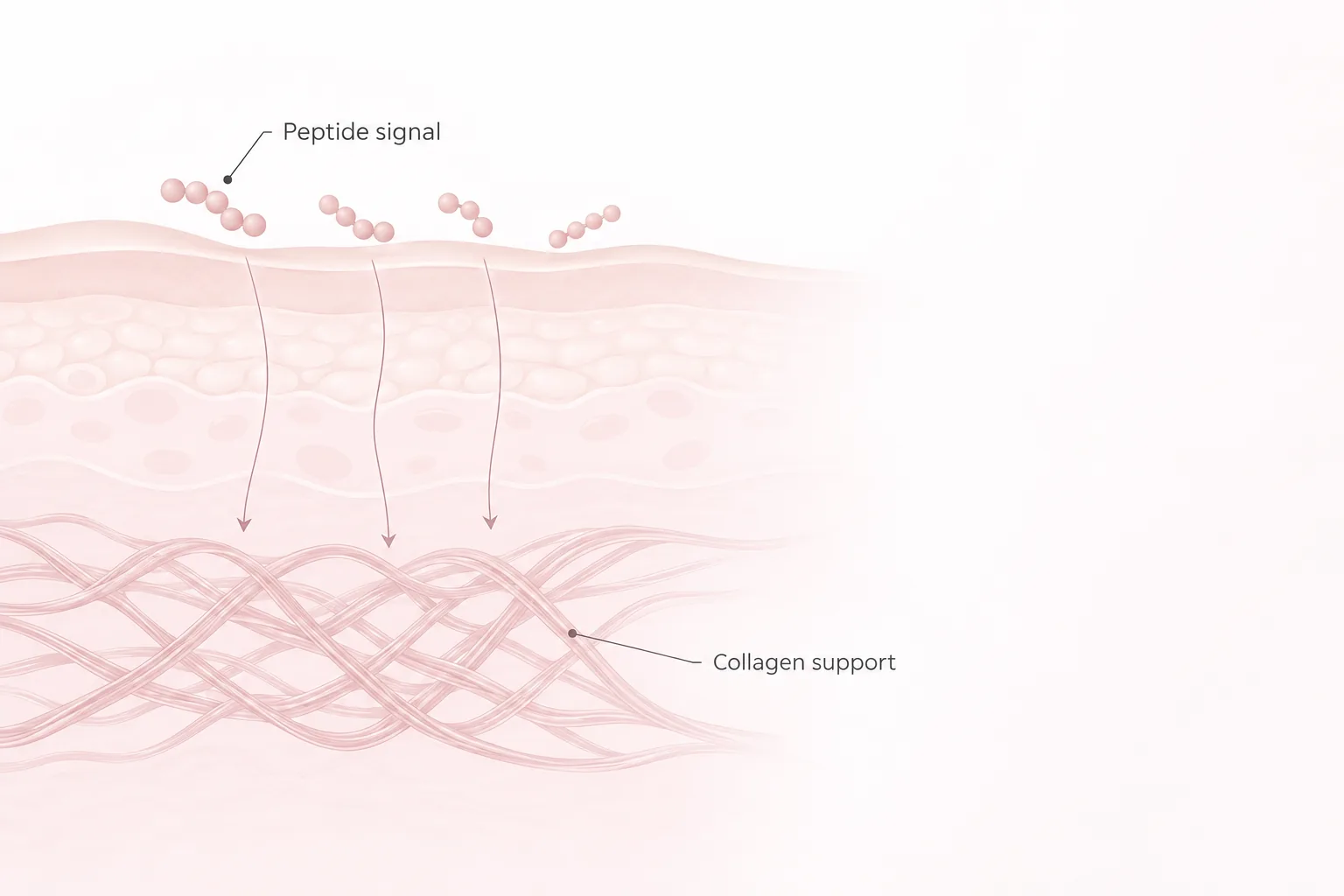
Peptides are short chains of amino acids. Some act as messengers, signalling skin to support its own repair.
HydroPeptide builds its range on patented peptide complexes, including what the brand calls Nimni Technology for collagen support, and CellRenew-16.
The wider science is encouraging: a peer-reviewed review of cosmetic peptides reports that after a 12-week trial of a Palmitoyl Pentapeptide-4 cream, expert graders saw improved fine lines and overall skin appearance. That finding concerns one peptide, not HydroPeptide’s own formulas.
The brand also frames its approach around epigenetics, meaning how environment and skincare may influence skin behaviour. The evidence here is still developing, so treat it as a philosophy rather than a proven outcome.
Day to day, HydroPeptide feels hydrating and low-irritation. Well-hydrated skin looks plumper and smoother, which is why we favour a hydration-first route to glass skin.
Is HydroPeptide a Good Skincare Line?
For the right skin, yes. It suits reactive skin, early fine lines, and anyone who wants clinical anti-ageing without retinoid-style flaking.
Its limit is intensity. For marked pigmentation or acne-driven texture, it may be too gentle on its own.
How ZO Skin Health Works: Active Correction and Skin Training
ZO Skin Health was founded by dermatologist Dr Zein Obagi, as ZO’s own brand history sets out. Its philosophy is to train skin to function actively, rather than simply soothe surface symptoms.
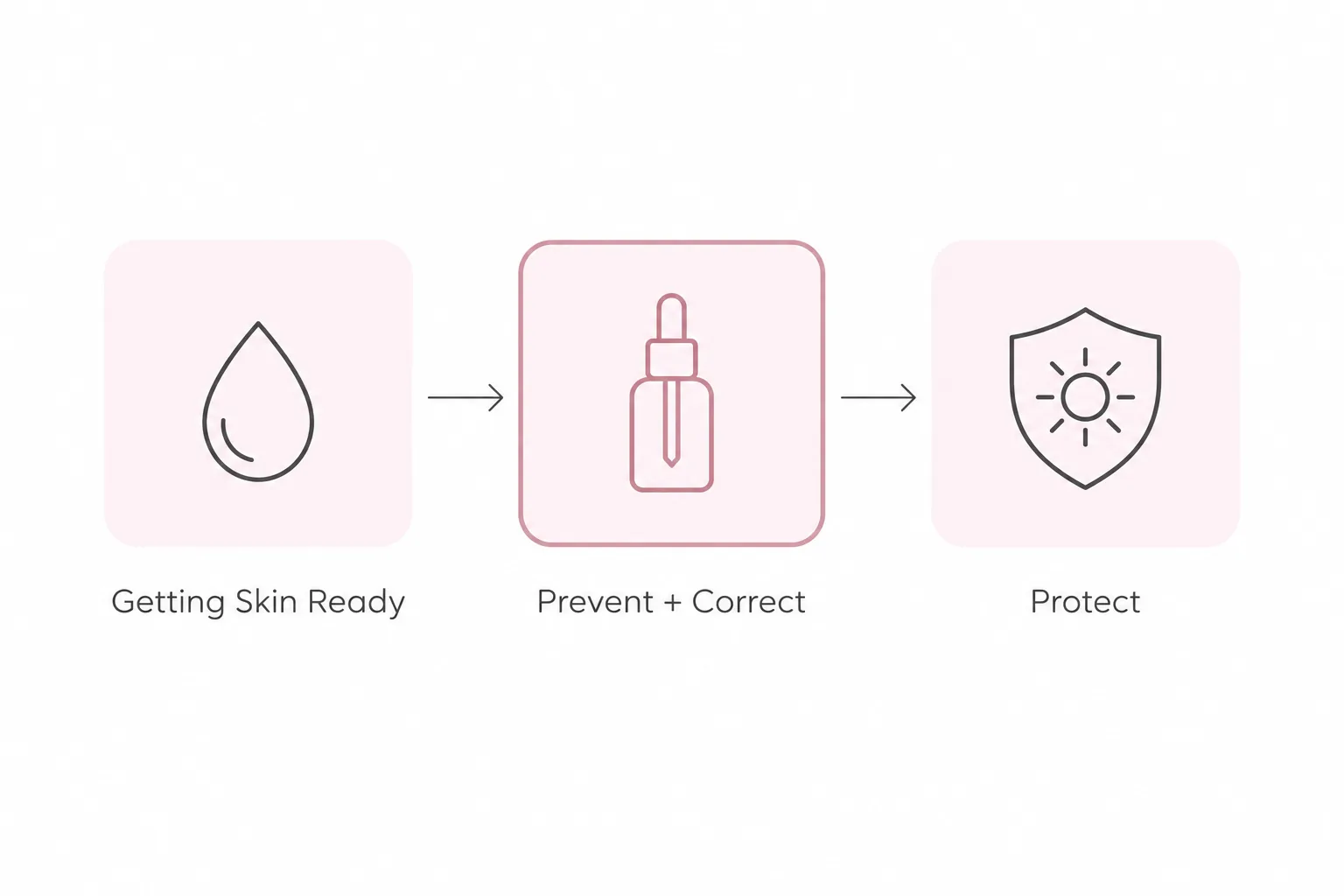
The regimen relies on high-potency actives: retinoids, chemical and physical exfoliants, and bioengineered growth factors. Products sit in three steps: Getting Skin Ready, Prevent + Correct, and Protect.
Expect an adjustment phase. Ohio State Wexner Medical Center’s guide to retinoids names skin irritation, often redness and peeling, as the most common side effect. These effects usually ease as skin adapts, and provider supervision helps you pace the strength.
What Product Is Comparable to ZO Skin Health?
Rather than chasing a brand swap, look for the same building blocks: a well-dosed retinoid, exfoliating acids and a growth factor serum, chosen with professional guidance.
HydroPeptide is a gentler alternative, not a like-for-like replacement. It shares the anti-ageing goal but works through signalling rather than aggressive correction.
HydroPeptide vs ZO Skin Health by Skin Concern
| Skin concern | Often better suited | Why |
|---|---|---|
| Fine lines | HydroPeptide | Peptide support with low irritation |
| Reactive skin | HydroPeptide | Gentler, barrier-focused approach |
| Pigmentation | ZO Skin Health | Stronger actives and exfoliation |
| Acne and texture | ZO Skin Health | Retinoids and exfoliants target turnover |
| Dehydration | HydroPeptide | Hydration and barrier focus |
| Photoageing | ZO Skin Health | Structured correction plus daily protection |
Some patients run a corrective phase, then switch to gentler maintenance. Only do this with practitioner input, as mixing strong actives can backfire.
Sequence matters too. How ingredients are layered affects results, a principle we explain in our guide to the Korean glass skin facial and why its ingredient steps matter.
Where Professional Skincare Meets In-Clinic Treatment
Home regimens support advanced facial treatments, collagen stimulation and skin rejuvenation therapy. They do not replace them.
For skin quality concerns, polynucleotides and skin boosters can sit well alongside a peptide-led routine. A cosmetic skin consultation helps match brand intensity to your skin, lifestyle and planned treatments.
How to Choose Between the Two
- Downtime tolerance: Can you accept a few weeks of possible dryness or flaking?
- Primary concern: Fine lines and dehydration, or pigmentation and acne?
- Time: ZO’s three-step system can mean more products each day.
- Budget: Multi-step regimens add up, so plan for consistency.
With either line, daily broad-spectrum SPF is essential, especially alongside retinoids. If you have clinic treatments booked, ask your practitioner whether to pause strong actives beforehand.
Frequently asked questions
What is the difference between HydroPeptide and ZO Skin Health?
Can I use HydroPeptide and ZO Skin Health together?
Is ZO Skin Health suitable for sensitive skin?
What is the highest rated anti-ageing skincare?
Key Takeaway
HydroPeptide suits gentle, hydrating, peptide-led anti-ageing. ZO Skin Health suits structured, active correction with some adjustment time. Your skin’s tolerance and goals decide between them, and a personalised consultation at Guernsey Medi Spa can help you confirm the right fit.
